
Creating a backyard that’s both fun and safe for children is something most parents think about, especially as the seasons change. The yard can be a place for exploration, games, and family time, but it can also have hidden hazards that are easy to overlook. The good news is that keeping an outdoor space safe doesn’t mean it has to be high-maintenance or take up every weekend. With the right approach, a backyard can be ready for play any day of the week without constant work.
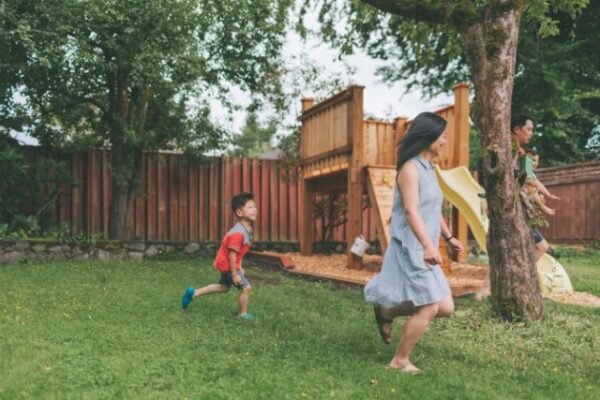
How to Keep Kids Safe Outdoors
Before planning games, toys, or activities, it’s important to make sure the yard is free from dangers that could cause injuries. Uneven ground, loose tools, sharp branches, and garden chemicals are common issues. Even something as simple as a hose left on the ground can be a tripping hazard for a running child. Doing a quick walk-through every few days can help spot problems before they turn into accidents.
Fencing is another key part of a safe outdoor space. A secure fence keeps children from wandering and helps keep pets and wildlife where they belong. Gates should have latches that are out of reach for younger kids but still easy for adults to open quickly if needed. For yards with water features like ponds or pools, barriers are essential to prevent unsupervised access.
Clearing the Play Area
One of the quickest ways to make a yard safe for kids is to keep the play area clear of debris. Fallen branches, acorns, and leaves can make surfaces slippery or hide small hazards. During certain times of year, especially in autumn, leaves can pile up quickly. Instead of relying on a rake alone, using tools designed for faster cleanup can save hours of work. For example, a leaf vacuum can collect and mulch leaves in one step, making the ground safer and ready for play sooner.
It’s also worth checking for items that might have blown into the yard during windy weather. Plastic bags, broken toys, or even small garden tools can end up scattered without anyone noticing. Having a storage space, such as a weatherproof box or shed, helps keep things out of the way and organized.
Choosing Safe Surfaces
The surface under and around play equipment matters more than many parents realize. Hard ground or concrete increases the risk of injuries if a child falls. For playsets, swings, or climbing frames, adding a softer surface like rubber mulch, sand, or grass can provide better cushioning. If the yard has a lot of bare patches or uneven spots, reseeding grass or adding ground cover plants can reduce tripping risks.
For patios or deck areas where children might play, check for loose boards, nails, or splinters. A quick repair not only keeps the space safe but also makes it more comfortable for barefoot play during warmer months.
Organizing Toys and Equipment
Outdoor toys can make a backyard exciting, but too many items scattered around can lead to accidents. Balls, ride-on toys, and garden games should have a designated storage space. This not only helps the yard look tidy but also keeps toys in good condition for longer.
Larger play equipment should be set up in a way that allows children to run and move freely without bumping into walls, fences, or each other. It’s best to leave enough space between different play areas so kids aren’t running into swings or slides when they’re in use.
Managing Plants and Garden Features
Not every plant is safe for curious children. Some common flowers, shrubs, and even certain vegetables can be toxic if touched or eaten. Checking which plants are in the yard and replacing harmful ones with safer options is an important step. Bright, non-toxic flowers like marigolds or sunflowers can make the space colorful without adding risk.
Sharp thorns or branches that grow into play areas should be trimmed back. If the garden has decorative stones or gravel, consider placing them in areas where kids are less likely to trip over them. Water features like birdbaths or fountains should be shallow or securely covered when not in use.
Keeping the Yard Ready for Play
A safe outdoor space isn’t just about removing hazards. It’s also about making it inviting and ready to use at a moment’s notice. Setting aside time for light, regular maintenance makes a big difference. Spending just ten minutes a day tidying up can prevent bigger weekend projects.
For busy parents, convenience is key. Storing smaller cleanup tools in an easy-to-reach spot means it’s simple to clear a path, remove debris, or fix small problems before they turn into bigger ones. If outdoor lighting is available, it can extend safe playtime into the evening while making it easier to see potential hazards.
Balancing Fun and Safety
Children need room to run, explore, and try new things, and a safe yard can give them that freedom without constant worry. The goal isn’t to remove every challenge but to make sure risks are managed. A well-maintained yard can still have climbing structures, sports equipment, and areas for imaginative play, just with the right precautions in place.
Parents can also involve kids in the process of keeping the yard safe. Simple tasks like picking up toys, helping put tools away, or checking for sticks on the lawn can teach responsibility and make children more aware of their surroundings.
Final Thoughts
A safe yard for kids doesn’t have to be flawless, it just needs to be a place where they can play without constant worry. With a bit of planning, a few smart tools, and regular care, any backyard can feel both safe and inviting. Stay on top of simple safety checks, keep the space tidy, and focus on enjoying the time spent outside with the family.
