
Homeschooling doesn’t have to feel like sitting at a desk or arguing about schoolwork with your children. Kids these days learn best when they don’t even realize they’re learning, and that’s what makes homeschooling so flexible once you get it right. When their lessons are built into everyday life, learning becomes so much easier, smoother, and a lot more fun and enjoyable.
The trick is to turn normal moments into chances to learn without making it feel like a lesson. There’s nothing worse for your kids than telling them bluntly that it’s study time. When your kids are curious and relaxed, they pick things up much faster and they tend to remember more. It’s about creating an environment where learning happens naturally.
So in this post, we’ll be covering some homeschooling hacks to teach your child new things without them even noticing it.
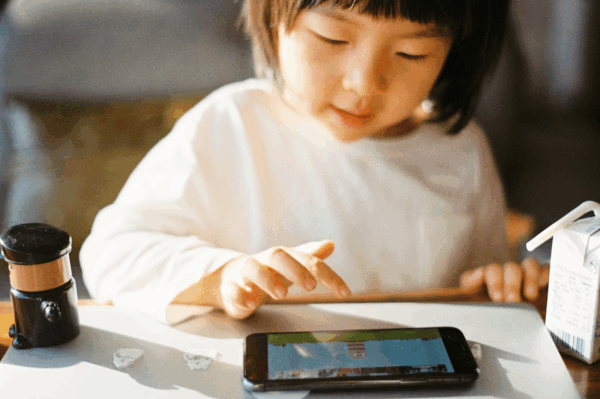
Make learning part of everyday life
Kids learn by doing things, so it helps to connect various lessons to daily activities that they already engage in or help with. Cooking, shopping, cleaning, or even going for a walk can all become learning moments if you know how to spin them. You can count steps, measure ingredients, or even read labels at the store to help with their language skills. Those small moments teach real skills without it feeling like school.
You don’t always need a book or worksheet to learn. Talk about what you’re doing and why. Ask questions that make your child think and notice things. The more they see learning in daily life, the less they feel like they’re in a boring school lesson.
Turn play time into learning time without them knowing
Despite the name, play time is actually one of the best ways to teach your kids. Games, puzzles, and pretend play all help your child learn new ideas in ways that feel natural. If your child loves numbers, then games that use counting or matching can help with building number sense. It’s learning, but it feels like fun because they’re focusing on how to use their skills instead of just repeating things for the sake of memorization.
Simple games like card matches or board games can also help with problem-solving and memory. You can even make up your own games that fit what your child is learning that week. When playtime feels fun, they’ll want to keep learning.
Let them move and be active while they learn
Kids aren’t meant to sit still for long periods of time, especially when they’re young and full of energy that they want to expend. Mixing movement with learning helps them focus better. You can spell words while jumping, solve math problems while tossing a ball, or take a learning walk outside and talk about what you see along the way.
Movement keeps lessons interesting and gives your child a chance to burn off energy. You’ll both find that learning feels a lot easier when it’s active and doesn’t stay locked to one place. Of course, you don’t have to do this all the time since it can get a little tiring even for parents, but it’s a great way to mix in some movement and activity while encouraging your kids to learn and be more curious about their surroundings.
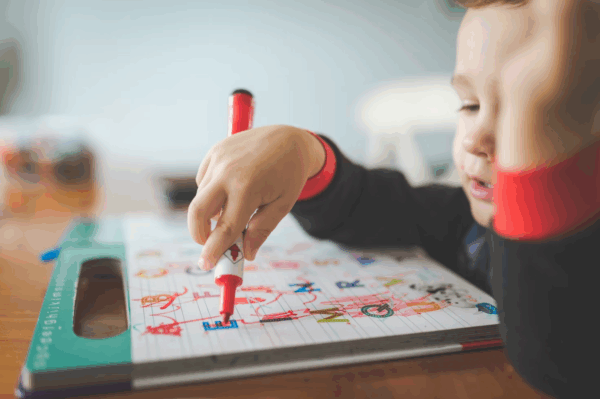
Try to follow along with their interests
Homeschooling gives you the freedom to teach what your child is curious about. If they love animals, you can read about habitats or watch nature videos together. If they like building things, you can teach math and science through projects and even engage in practical activities like using building blocks.
Following what they love makes learning feel exciting. When a child is curious, they’ll ask questions and explore on their own. That curiosity is what keeps them learning long after the lesson ends.
Make reading a part of daily life
Reading can happen anywhere, not just during lesson times. You can read recipes while cooking, road signs while driving, or short stories before bed. Try audiobooks if your child prefers listening. Anything that helps them hear and see new words is useful.
Reading together is also a great bonding activity. Talk about what you read, ask them what they think, and encourage them to tell their own stories. When reading feels fun, it becomes something they enjoy rather than something they avoid.
Try to end the homework fights early on
Many parents deal with daily homework battles when lessons start to feel too hard or boring. When that happens, it helps to change the approach you take instead of forcing it on your kids. You can break tasks into smaller chunks, take breaks, or even switch to a different subject for a while to keep things fresh and interesting.
Sometimes, learning in a new place, like outside or on the couch, can make a big difference in how they look at homework. Kids focus better when they don’t feel pressured, and mixing up their environments from time to time is a great way to relieve some of that study stress.
Getting creative with different lesson plans
Art, music, and storytelling can make almost any subject more fun. Drawing a science topic, acting out a story, or building a simple project can help your child understand ideas more clearly. Creativity keeps lessons fresh and interesting.
When kids make things with their hands, they remember the lesson better. It also gives them pride in their work, which builds confidence and keeps them curious.
Give them small choices so they can learn what they want
Kids like feeling in control, so it helps to let them make simple choices about their day. They could choose what subject to start with or what book to read. These small decisions help them take control of their learning and it makes them feel more in control.
When kids feel trusted, they become more motivated to learn on their own. That confidence grows over time and helps them develop independence, both in schoolwork and in life.
By turning lessons into play, movement, and daily moments, you can help your child learn naturally. When learning feels easy and fun, kids stay curious, and that curiosity is what makes them grow into lifelong learners without even realizing they’re doing it.
