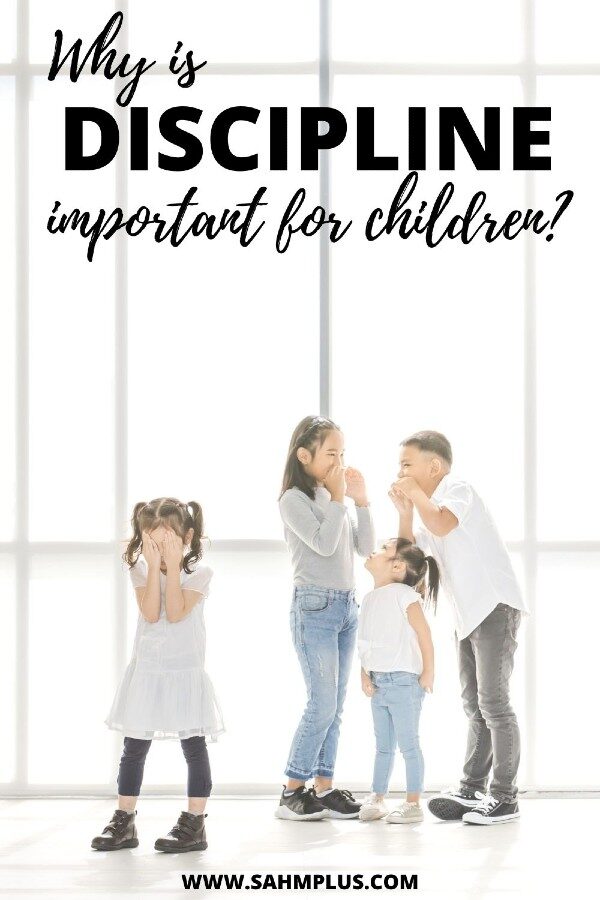
Parents can often feel trapped between enjoying time with their children and providing proper discipline. Why is discipline important for a child? In this article, we discuss what discipline is and why discipline is important for a child.
Once, I was at the park with my kids when my toddler decided the slide was his personal throne. Every child who came near got a firm “NO!” and crossed arms. A part of me wanted to laugh (hello, future CEO), and another part wanted to sink into the wood chips because the other moms were watching. That’s when I remembered: discipline isn’t about being the “mean mom.” It’s about teaching my child how to live, play, and grow alongside others.
Honestly, none of us like being the bad guy. We’d rather be the fun mom with snacks and spontaneous dance parties. But discipline? It’s love in action. It’s the stuff that turns tiny tantrums into big lessons about respect, safety, and self-control.
In this post, I’m sharing what I’ve learned (sometimes the hard way) about why discipline matters, the different types of discipline, and how it shapes our kids into kind, capable humans.
What is Discipline?
When I first became a mom, I thought “discipline” basically meant punishment (the dreaded time-outs, the toy taken away, and the mom voice we all swore we’d never use) and physical punishment (forms of negative discipline). But discipline isn’t really about punishment.
The word actually comes from the Latin discipulus, which means “to learn.” That flipped a switch for me. Discipline isn’t about controlling our kids, it’s about teaching them. And teaching takes time (so much time), patience (even when the toddler is dumping paint on your sister-in law’s carpet), and a deep understanding of who your child is.
When practiced correctly, discipline uses various approaches, including the Consequence/Reward jar system, Models, and Positive punishment.
When I look at discipline that way (as guidance instead of punishment) it feels a whole lot less like being the bad guy and more like being a coach.
And our kids?
They’re not rebels-in-training. They’re students in the hardest, longest-running class of their lives: growing up.
5 Relatable Reasons Why Discipline Is Important For a Child
Child discipline is about teaching a child the right way to behave; that way they do not develop behavioral disorders, and then there is no need for punishments. Discipline is essential in a growing child’s life, not only because it teaches them to be responsible adults, but it also has numerous benefits for a child’s development. Some of these benefits include safety, emotional stability, proper decision-making skills, and many more. Here are a few reasons why discipline is important for a child:
- Discipline helps a child develop self-discipline.
One day, my son reached for a cookie right before dinner. He stopped halfway, hand hovering like he was frozen in a cartoon. Then he sighed and said, “Okay… after dinner.”
I didn’t say a word, but could have cried happy tears into the mashed potatoes. That’s self-discipline in action.
I know I can’t (and won’t) be with my kids 24/7. So much of discipline is about helping them build the voice inside their own heads; the one that says “I know what’s right, even if Mom isn’t here to remind me.” When we’re consistent with boundaries and follow-through, we’re actually teaching them to coach themselves.
That little pause before the cookie? That’s the payoff.
You won’t always be with your child, but you want them always to be well-behaved. Disciplining your child would develop their self-discipline and self-control skills. They know that “Mom does not like it when I do this” when they have that at the back of their minds; they can control themselves even when you are not there with them.
- Discipline develops good decision-making skills.
My daughter once begged to wear shorts to school in the middle of winter. I let her try… for about 30 seconds on the front porch. She ran back in, shivering, and changed into pants. Lesson learned. Discipline isn’t about saying no for the sake of it; it’s about letting kids connect actions to outcomes, so they can make smarter choices next time.
- Discipline helps your child learn to control their emotions.
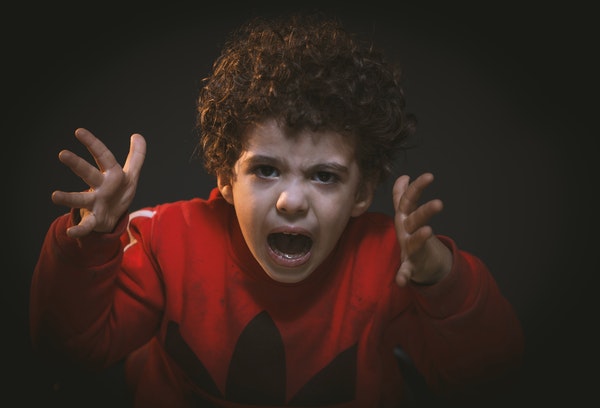
Once, on a shopping trip, my toddler threw herself flat on the floor when I refused to buy her a toy. The temptation to cave was real (the stares from strangers didn’t help). But I stood firm. After a few meltdowns like that, she slowly realized tears don’t equal toys. Over time, discipline helps kids practice coping with frustration instead of exploding every time something doesn’t go their way.
- Discipline can help a child manage anxiety.
A friend once told me her son panicked whenever he had to decide what to eat — because no one had ever given him boundaries. The freedom felt overwhelming. Kids may act like they want total control, but really, structure is safety. When we set consistent rules, we give them the gift of predictability, which helps ease their little anxieties.
- Disciplining your kids can ensure their safety.
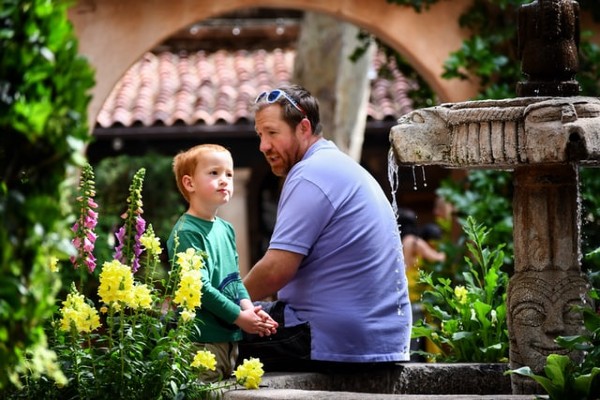
One morning, my toddler insisted on touching the hot oven because “it looked shiny.” I had to crouch down and explain, gently but firmly, that the oven could hurt her, and that’s why we don’t touch it. She pouted, but the rule stuck.
That’s what discipline really is: keeping our kids safe when their curiosity could get them into trouble. They may not like hearing “no” in the moment, but one day they’ll understand it was love wrapped up in a boundary.
Remember, kids love to test rules, but you don’t want them testing it out with something that could potentially harm them, so when they know what the consequences of their actions could be, they are less likely to try it out.
The 3 Types of Discipline (Explained Mom-to-Mom)
Not every child responds to the same approach, which is why no one-size-fits-all parenting book actually works. Here are the three main types of discipline, in plain mom language:
1. Preventative Discipline
This is setting rules before chaos breaks out. Think of it like: “We hold hands in the parking lot,” or “Toys go back in the bin before bedtime.” It’s clear, safe, and sets expectations early. This may include:
- Telling your children what behavior is acceptable and what behavior is bad.
- Telling your children the consequences of bad behavior.
- Rewarding good behavior. You can find some reward ideas here.
2. Supportive Discipline
This is when the rule gets bent or forgotten. Your child throws shoes across the room, and instead of punishing, you remind them: “Shoes belong by the door. Try again.” It’s about nudging them back on track without going full drill sergeant.
This may include:
- Verbal/ Non-verbal warnings
- Redirecting or Reminding the child of the rules they are disobeying
- An immediate reaction to the bad behavior.
3. Corrective Discipline
This comes last — when reminders don’t work. Maybe it’s a time-out, losing a privilege, or natural consequences. It’s not about payback; it’s about helping them reflect and learn so the same behavior doesn’t stick.
What Happens to Children Raised Without Discipline?
I’ll be honest … there are days I don’t want to follow through. Saying “no” is exhausting, and tantrums are the worst. But here’s what happens if we skip discipline altogether:
- Undeveloped coping skills: Kids don’t learn how to handle frustration. Everything feels overwhelming.
- Lack of boundaries: They struggle in friendships because they’ve never learned respect for rules or limits.
- Laziness: A child who always gets their way struggles later when effort is required.
- Chasing instant gratification: Without patience, kids lean into quick fixes instead of learning persistence.
Skipping discipline may feel easier in the moment, but long-term it robs kids of the skills they’ll need as adults.
How Do You Discipline a Child (Without Losing Your Mind)?
- Set clear limits, and explain why.
- Praise good behavior often.
- Use time-outs for reflection, not shame.
- Take away privileges sparingly, and make sure kids can earn them back.
- Ignore whining when it’s manipulative (but never ignore real feelings).
- Let natural consequences play out when safe. (Refuse veggies? Then they feel a little hungry until the next meal.)
- Try fun systems like a Reward & Consequence Jar to make lessons stick.
Who’s Responsible for a Child’s Discipline?
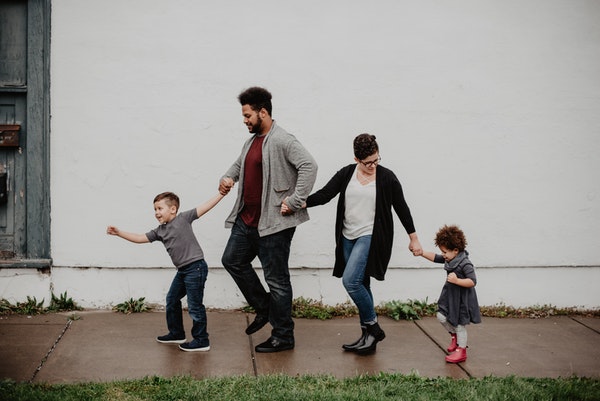
Short answer: we are. Discipline starts at home. It’s not fair to expect teachers, nannies, or grandparents to carry it for us.
That said, I’ve learned it works best when both parents are on the same page. No “good cop vs. bad cop.” Kids sniff out that divide in seconds. And yes, extended family can help reinforce consistency too — but the foundation? That’s us.
Final Thoughts
Parenting is messy, tiring, and downright confusing sometimes. But discipline is one of those gifts we give our kids that doesn’t always feel like a gift in the moment. Over time, though, it teaches respect, patience, and self-control; the building blocks of raising kids who thrive.
So next time you’re faced with the tantrum, the cookie grab, or the shiny oven door moment, remember: discipline isn’t about being mean. It’s about being loving enough to set boundaries.
And trust me, one day, when your child makes the right choice all on their own, you’ll feel the payoff.
Resources for Child Discipline
Given the importance of child discipline and wanting to create a nurturing and positive atmosphere, I found these books useful when it comes to disciplining my own children:
No products found.
No products found.
No products found.
No products found.

1 comment
Parents need to establish discipline for children, great, thank you for sharing this information. Like posts on your site. And please continue to update new articles.
Comments are closed.